IVF in Mexico: The Complete Patient Guide
Every year, thousands of patients from the United States and Canada travel to Mexico for IVF — and for good reason. The same fertility treatment that costs $15,000–$30,000+ per cycle at home is available in Mexico for roughly 65% less, delivered by internationally trained specialists using the same laboratory technology found in leading American clinics.
This guide covers everything you need to know about IVF in Mexico: what it costs, whether it is safe, how treatment works as an international patient, and how to choose the right clinic for your family.
Why U.S. & Canadian Patients Choose IVF in Mexico
For most American couples, the math of fertility treatment at home simply does not work. A single IVF cycle in the U.S. runs $15,000–$25,000 before medication, most insurance plans cover little or none of it, and the average patient needs 2.5 cycles to conceive. Families routinely spend $60,000 or more — draining savings, taking on debt, or giving up entirely.
Mexico changes that equation without changing the medicine. The same protocols, the same laboratory technology, and internationally trained reproductive specialists are available at a fraction of the price — not because quality is lower, but because the cost of operating a clinic in Mexico is. Lower labor costs, lower malpractice insurance, and lower overhead translate directly into what you pay. See the full breakdown on our IVF cost in Mexico page.
Mexico is also one of the most established medical tourism destinations in the world, and fertility care is among its strongest specialties. Advanced treatments like IVF with donor eggs and gender selection are fully legal and openly practiced — and destinations like Puerto Vallarta let you recover from treatment somewhere that feels less like a hospital corridor and more like a place to breathe.
Is IVF in Mexico Safe?
Yes — at an accredited clinic, IVF in Mexico is held to the same clinical standards you would expect in the United States or Canada. Fertility clinics in Mexico are licensed and regulated by COFEPRIS, Mexico’s federal health authority, and leading clinics operate with the same laboratory equipment, medications, and evidence-based protocols used by top American fertility centers.
The honest caveat: quality varies between clinics, just as it does in the U.S. What matters is verifying the right things before you commit:
- A current COFEPRIS license and health-authority registration
- An in-house embryology laboratory — not samples shipped to another city
- Named, credentialed embryologists and reproductive endocrinologists
- ICSI, vitrification, and PGT-A genetic screening performed on site
- Transparent, itemized pricing before treatment begins
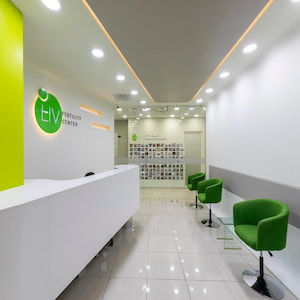
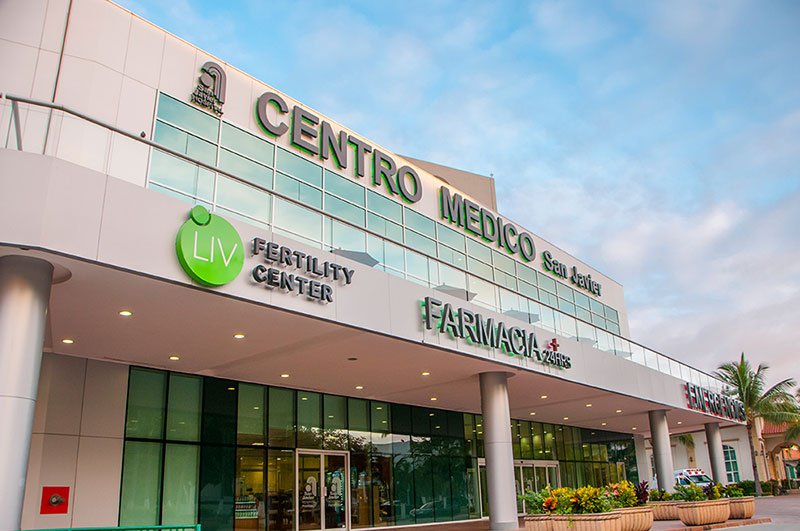
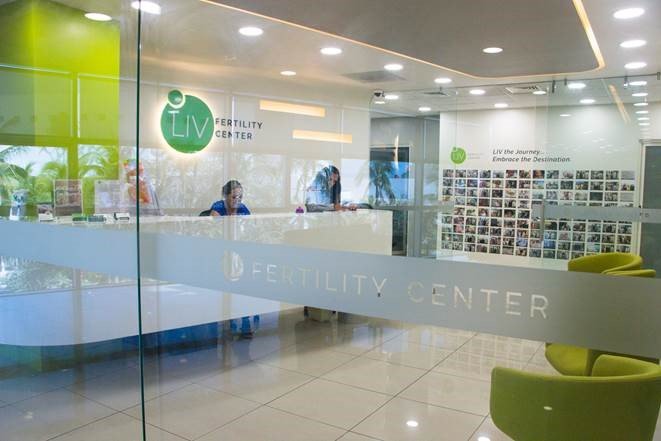
At LIV Fertility Center, every step of treatment — bloodwork, embryology, genetic testing — happens inside our Puerto Vallarta clinic. ICSI is standard on every cycle, and more than 70% of our patients arrive after unsuccessful IVF at clinics elsewhere, which is exactly the kind of complex case our protocols are built for.
How Much Does IVF Cost in Mexico?
IVF in Mexico typically costs 60–70% less than the same treatment in the United States — including flights and hotel. A cycle that would cost $15,000–$25,000 at a U.S. clinic, plus $6,000–$10,000 in medications, comes to a fraction of that in Mexico, with medications alone often 40–60% cheaper. Every treatment at LIV is quoted as an itemized, personalized plan — no packages padded with add-ons, no surprise fees at the clinic door.
The same treatment costs approximately 65% less at LIV than in the U.S. or Canada — current price ranges for every treatment are on our IVF cost in Mexico page.
The Technology Behind Your Treatment
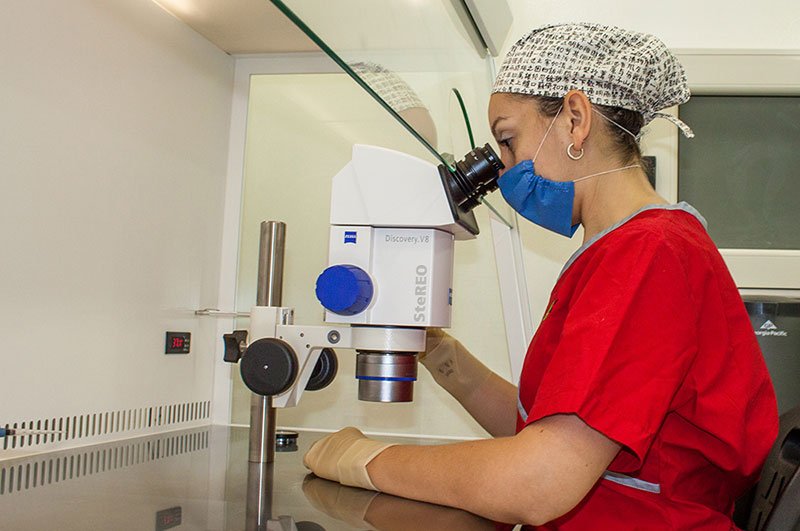
Outcomes in IVF are decided in the laboratory, which is why LIV’s embryology lab operates with the same technology found in leading American fertility centers — all of it in-house, in Puerto Vallarta. That includes ICSI microinjection as standard on every cycle, vitrification for embryo and egg freezing, PGT-A genetic screening, laser-assisted hatching, and MicroSort® sperm-sorting technology, available at no other clinic in Mexico. Every protocol follows internationally recognized, evidence-based standards — and nothing about your cycle is ever shipped to another city.
The IVF Process in Mexico — Step by Step
From your first call to your pregnancy test, here is exactly how treatment works with LIV — including where you will be for each stage. Most of your cycle happens at home; you only travel for the week that matters.
Your journey starts with a free virtual consultation reviewing your medical history. Then baseline fertility testing at a clinic or lab near you: AMH, FSH and LH bloodwork, a transvaginal ultrasound, viral screening, and a semen analysis if male-factor infertility is a concern. Your LIV doctor builds a personalized protocol from these results.
Daily hormonal injections (gonadotropins) stimulate the ovaries to produce multiple mature eggs. Frequent ultrasounds and blood tests at your local clinic track follicle development and hormone levels — results go straight to your LIV doctor, who adjusts your medication dosage remotely to optimize egg production.
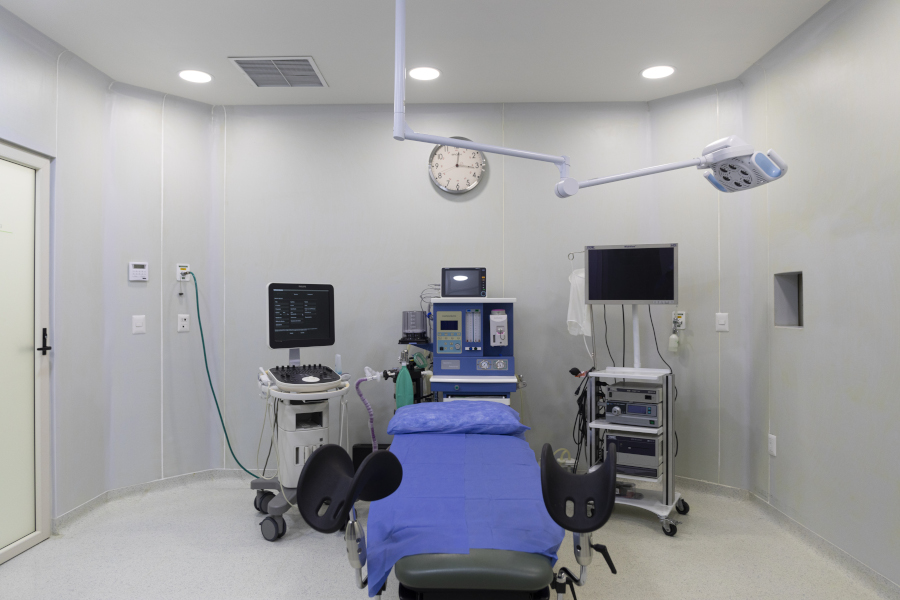
Fly in when your follicles are ready — direct 2–5 hour flights from most U.S. and Canadian cities, and the clinic is 15 minutes from PVR airport. An hCG trigger shot matures the eggs, and roughly 36 hours later they are retrieved under mild sedation in a brief procedure called follicular aspiration. A sperm sample is collected from your partner or donor, and every egg is fertilized using ICSI — a single healthy sperm injected directly into each egg to maximize fertilization. Embryos are cultured for 5–6 days to the blastocyst stage, with PGT-A genetic screening or MicroSort® if part of your plan, and a high-quality embryo is transferred into the uterus using a thin catheter under ultrasound guidance. The transfer is quick and painless — no anesthesia required — and your remaining high-quality embryos are frozen (cryopreservation) for future use.
Fly home 24–48 hours after transfer. You continue progesterone to support implantation, and after 10–14 days a beta hCG blood test at your local clinic confirms whether pregnancy has occurred. Your LIV coordinator stays with you through the wait — and long after the positive result.
How to Choose an IVF Clinic in Mexico
Mexico has hundreds of fertility clinics, from world-class centers to high-volume chains and budget operations. The price gaps are real — and so are the quality gaps. Before committing to any clinic, get clear answers to these questions:
- Is the clinic COFEPRIS-licensed? Ask for the registration, not just a claim.
- Is the embryology lab in-house? Some clinics ship samples to labs in other cities — a risk you should never accept.
- Will you speak with the doctor before paying? A serious clinic reviews your history before quoting a plan.
- What exactly is included? ICSI, anesthesia, and monitoring are sometimes billed as surprise extras elsewhere.
- How are success rates reported? Look for age-stratified data and honest methodology, not one inflated headline number.
- Who coordinates your care in English? You need a named coordinator, not a chatbot or a sales rep.
- Is pricing itemized in writing? A transparent quote before treatment is the single best predictor of an honest clinic.
LIV publishes its pregnancy success rates, performs every procedure in-house, includes ICSI as standard, and provides an itemized quote after your free consultation — because those are the answers we would demand for our own families.
Puerto Vallarta vs. Other IVF Destinations in Mexico
Most international patients compare three or four Mexican cities before choosing where to have treatment. Tijuana offers border convenience but a clinical, industrial setting most patients would rather not recover in. Mexico City and Guadalajara host large high-volume chains, where international patients often report feeling like case numbers moving through a system, and where some clinics send lab work to facilities across town — or across the country. Cancun serves the East Coast well but has fewer established fertility specialists relative to its tourism footprint.
Puerto Vallarta sits in a different category. It combines a genuine international airport 15 minutes from the clinic, direct flights from most major U.S. and Canadian cities, a safe resort environment built around American and Canadian visitors, and — at LIV — a boutique clinic model where the doctor who plans your protocol is the one who performs your retrieval and transfer. You are not choosing between medical quality and a humane place to go through one of the most emotional weeks of your life. Here, they are the same place.
Why We’re the Best IVF Clinic in Mexico for You
Your dreams of parenthood are closer than you think. Beyond the technology and the price, here is what patients tell us actually made the difference:
Success Rates and Real Families
Any clinic can advertise a headline success rate. The honest version is more nuanced: outcomes depend on your age, your diagnosis, your ovarian reserve, and the quality of the laboratory handling your embryos. That is why LIV publishes age-stratified pregnancy success rates instead of a single inflated number — and why we tell patients the truth during consultation, even when the truth is that a different protocol, donor eggs, or additional testing will give them a better chance.
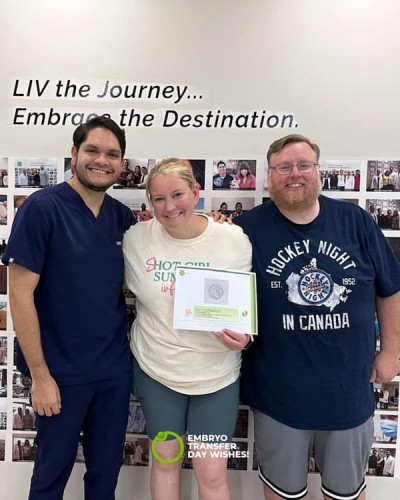
More than 70% of the families we help arrive after unsuccessful IVF somewhere else. They come to Mexico for the price and stay for the medicine — and the photos our patients send back, from first ultrasounds to first birthdays, are the metric we care about most. You will find their stories throughout this site, told in their own words.
Fertility Treatments Available at LIV
IVF is the core of what we do — but most patients arrive with a specific situation that calls for a specific plan. Explore the treatment that fits yours:
IVF in Mexico — Frequently Asked Questions
Is IVF in Mexico safe?
Yes. Fertility clinics in Mexico are regulated by COFEPRIS, the federal health authority, and accredited clinics like LIV use the same laboratory technology, medications, and protocols as leading U.S. fertility centers. The key is choosing a licensed clinic with an in-house embryology lab and transparent pricing.
Is IVF cheaper in Mexico than in the U.S.?
Significantly. IVF in Mexico typically costs 60–70% less than the same treatment in the United States, and medications alone are often 40–60% cheaper. Even after flights and hotel, most patients spend far less than a single U.S. cycle would cost.
Can Americans get IVF in Mexico?
Yes — no residency or visa is required for treatment. Thousands of American and Canadian patients complete IVF in Mexico every year. You will need a valid passport, and your LIV coordinator handles scheduling around your travel.
How long do I need to stay in Mexico for IVF?
Usually 5–7 days. Testing and stimulation medication happen at home with remote monitoring, so you only travel for egg retrieval, fertilization, and embryo transfer. Frozen embryo transfers require an even shorter stay.
Do the doctors speak English?
At LIV, yes — our physicians, embryologists, and patient coordinators are fully bilingual, and every consultation, document, and follow-up is available in English.
What are IVF success rates in Mexico?
Success rates depend on the clinic, your age, and your diagnosis — not the country. At LIV, more than 70% of patients arrive after failed cycles elsewhere, and we publish our pregnancy success rates openly rather than advertising a single inflated number.
Is gender selection legal in Mexico?
Yes — gender selection is fully legal in Mexico, unlike in Canada and much of Europe. At LIV it is performed through PGT-A genetic screening with 99%+ accuracy, or with MicroSort® sperm-sorting technology, available in Mexico exclusively at LIV.
Can I freeze my eggs in Mexico?
Yes. Egg freezing (oocyte vitrification) is available at LIV using the same flash-freezing technology U.S. laboratories use — at a fraction of the price. Your eggs remain safely stored at our Puerto Vallarta clinic until you are ready to use them.
What happens if my first IVF cycle fails?
It is more common than most people expect — and it is what LIV specializes in. More than 70% of our patients arrive after unsuccessful cycles elsewhere. Your doctor reviews exactly what happened, adjusts your protocol, and frozen embryos from your first cycle can often be used in a lower-cost frozen embryo transfer rather than a full new cycle.
How do I verify a Mexican fertility clinic is accredited?
Ask for the clinic’s COFEPRIS registration — issued by Mexico’s federal health authority — and confirm the physicians’ credentials and an in-house embryology laboratory. Reputable clinics provide this documentation without hesitation; hesitation itself is the red flag.

Ready to Take the First Step Towards Building Your Family?
We cordially invite you to discover the LIV difference — where compassion and innovation meet affordability in the pursuit of your family dreams. We can’t wait to help you welcome your precious little one.
Book Your IVF Consultation in Mexico