What is PGT-A? Understanding Genetic Testing in IVF
At LIV Fertility Center, we are dedicated to providing cutting-edge reproductive technologies that maximize your chances of success while prioritizing your peace of mind. One of the most advanced tools available today is genetic testing PGT-A.
What is PGT-A?
PGT-A (Preimplantation Genetic Testing for Aneuploidies) is a specialized genetic screening performed on embryos created through in vitro fertilization (IVF). Its purpose is to identify embryos with the correct number of chromosomes—helping select the healthiest embryos for transfer.
Embryos with missing or extra chromosomes (aneuploidies) can result in failed implantation, miscarriage, or genetic conditions such as Down syndrome. PGT-A Preimplantation Genetic Testing for Aneuploidies enhances your chance of a successful pregnancy and a healthy baby.
When is Preimplantation Genetic Testing PGT-A Performed?

This testing is especially beneficial for:
- Women aged 37 or older
- Couples with a history of miscarriages or failed IVF cycles
- Known parental chromosomal abnormalities
- Severe male factor
By performing preimplantation genetic testing PGT, fertility specialists can:
- Reduce the risk of miscarriage
- Improve implantation rates
- Minimize the risk of transferring embryos with chromosomal abnormalities
How is PGT-A Performed?
- IVF Cycle: Eggs are retrieved and fertilized in the lab.
- Embryo Culture: Embryos are cultured to the blastocyst stage (day 5–7).
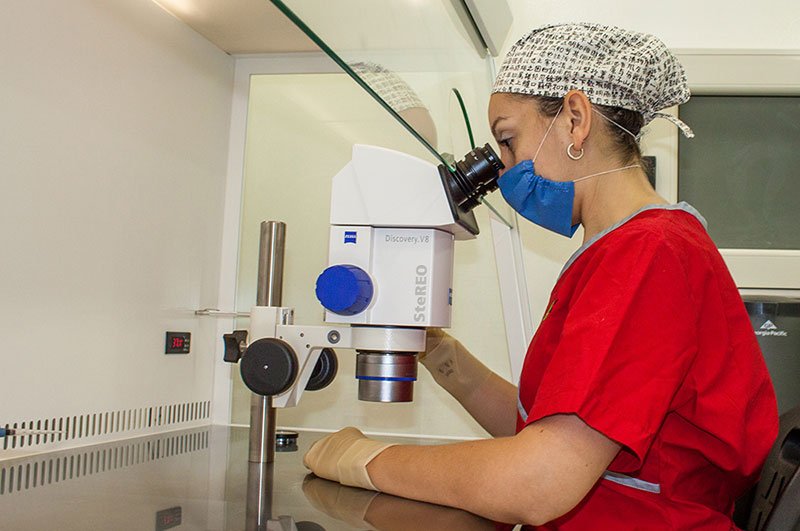
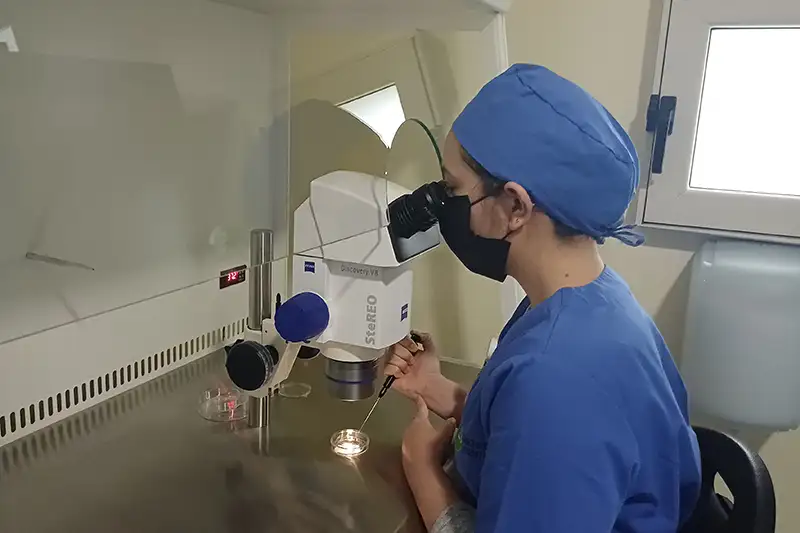
- Biopsy: A few cells are carefully removed from the outer layer of the blastocyst.
- Genetic Analysis: The cells are sent to a specialized lab to analyze chromosomal makeup.
- Embryo Selection: Only chromosomally normal embryos are considered for transfer or freezing.
This process is safe and does not harm the embryo. The associated risks are extremely low. Results typically take 3 weeks.
Is PGT-A Right for You?

Deciding to use PGT-A Preimplantation Genetic Testing for Aneuploidies is a personal choice. At LIV Fertility, we support you with accurate information, scientific expertise, and compassionate care. Whether you’re trying to overcome past IVF challenges or proactively minimize risk, genetic testing PGT-A could be a powerful ally in your fertility journey.
Take the Next Step
Contact us today to learn more about what is PGT-A and how it can be tailored to your IVF plan.
Frequently Asked Questions About PGT Genetic Testing
Pre-implantation genetic testing (PGT/PGS) is a process where embryos created via IVF are biopsied and analyzed in the lab for chromosomal abnormalities (aneuploidies) or specific gene defects before transfer. At LIV Fertility Center in Puerto Vallarta, this genetic screening is offered as part of IVF cycles to enhance embryo selection and increase chances of a healthy pregnancy.
Genetic testing is recommended for patients with advanced maternal age (typically 37+), recurrent miscarriages, failed IVF cycles, known chromosomal abnormalities, or family history of genetic diseases. LIV’s team assesses these criteria and guides international patients on whether genetic screening is appropriate for their IVF plan.
While exact pricing varies, genetic testing in Mexico typically is more affordable due to lower overhead and streamlined lab protocols. At LIV Fertility Center, inclusive IVF packages that contain optional genetic screening offer international patients cost-effective access to advanced genetics technology.
Genetic testing enables identification of embryos with the correct number of chromosomes (euploid), which correlates with higher implantation rates, lower miscarriage risk, and shorter time-to-pregnancy. For international patients, this means improved efficiency and confidence when undergoing IVF in Mexico.
The average IVF treatment lasts about 21 days, though your stay in Puerto Vallarta can range from 5–7 days up to three weeks depending on your protocol. The cycle includes ovarian stimulation, egg retrieval, embryo culture, biopsy for genetic testing, and embryo transfer.
However, if you choose PGT-A, your travel plan will be different. Because genetic testing requires a waiting period for results, patients need to plan two separate trips—one for stimulation and egg retrieval, and a second trip for the frozen embryo transfer. For this reason, a 21-day continuous stay is not possible when PGT-A is included.
While LIV does not book flights or accommodations, our team can recommend trusted hotels, resorts, and apartments near the clinic to help make your stay comfortable and convenient.
While genetic testing provides valuable information, it cannot guarantee pregnancy or eliminate all risks. Success still depends on embryo quality, uterine health, and other clinical factors. At LIV, patients receive genetic counselling as part of the process to ensure realistic expectations and informed decision-making.
Begin with a free virtual consultation to review your fertility history, age, previous treatments, and whether genetic testing is appropriate for your IVF path.