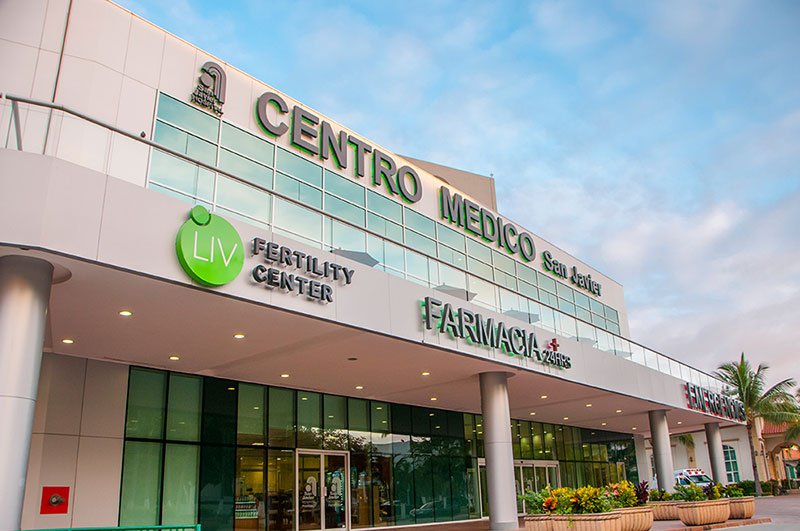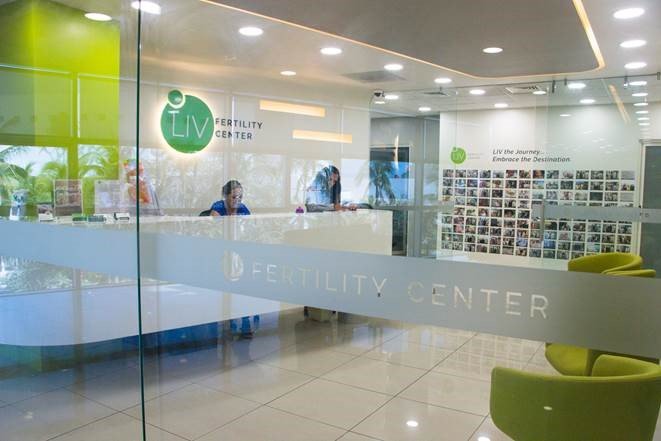
MODERN. The LIV Fertility Center in Puerto Vallarta specializes in reproductive endocrinology and infertility — and protecting one’s future reproductive needs.
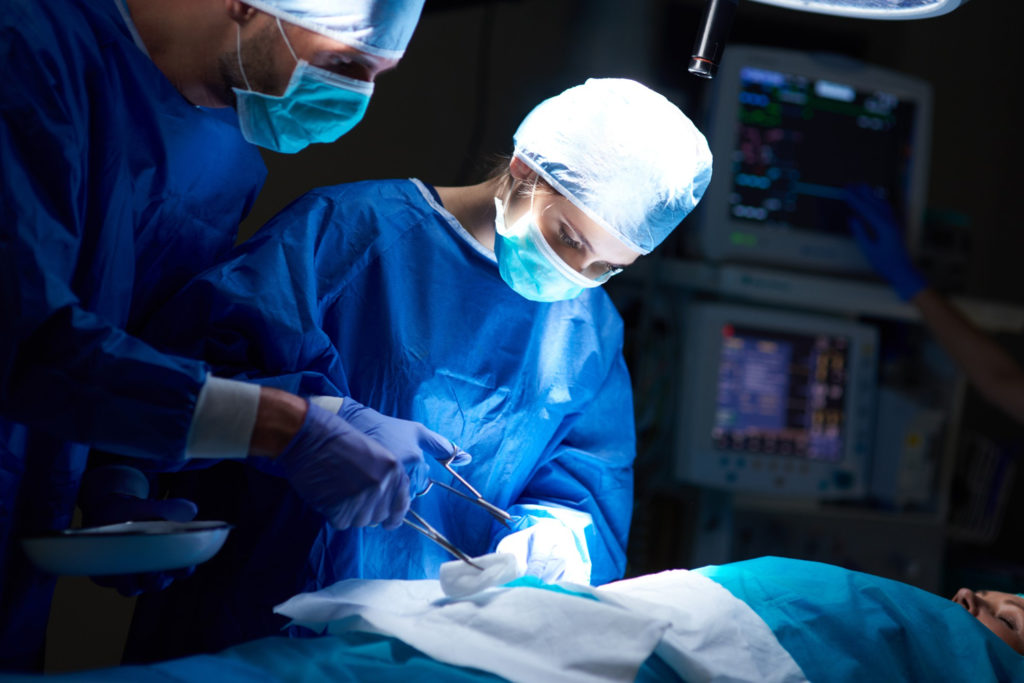
Reproductive surgery plays a crucial role in diagnosing and treating conditions that may prevent conception or affect pregnancy outcomes. At LIV Fertility Center, our highly skilled fertility experts performs minimally invasive procedures for both women and men, aiming to restore reproductive health and optimize the chances of a successful pregnancy.
Female Reproductive Surgery
Female reproductive surgery is performed to correct anatomical conditions that can affect fertility, menstrual health, or pregnancy outcomes. These procedures address issues such as uterine polyps, fibroids, endometriosis, and blocked fallopian tubes.
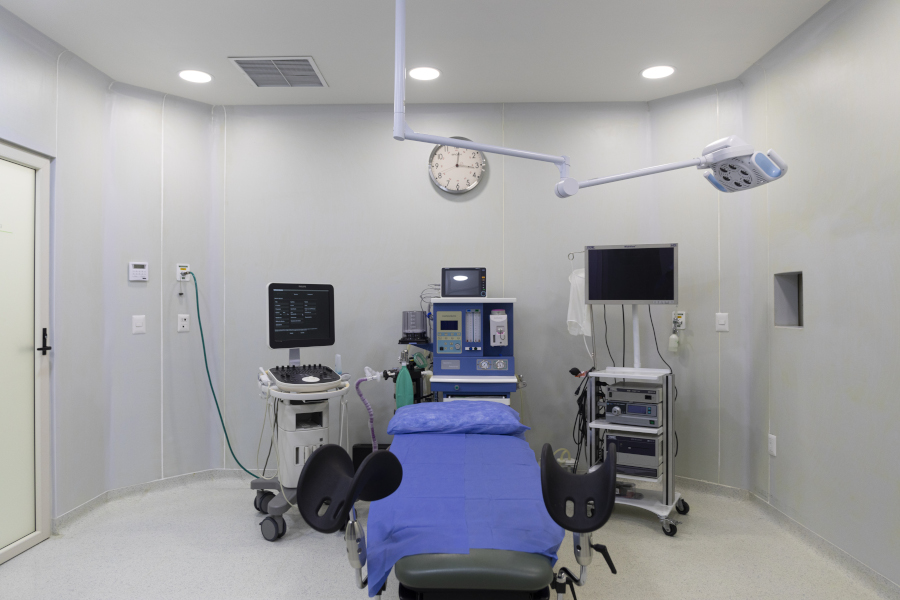
Hysteroscopy – Minimally invasive procedure in which a thin, telescope-like instrument is inserted into the uterine cavity to directly visualize the inside of the uterus. It can be performed for diagnostic purposes to identify conditions such as scar tissue (adhesions), uterine polyps, fibroids, a uterine septum, or signs of endometriosis and for treatment purposes, allowing the surgeon to remove or correct these abnormalities during the same procedure.
Laparoscopy – Minimally invasive surgical procedure used to examine and treat conditions affecting the organs within the abdominal and pelvic cavities. It involves the use of a laparoscope (a thin, flexible tube equipped with a light and video camera), which is inserted through a small incision in the abdomen. The camera transmits high-definition images to a monitor, allowing the surgeon to clearly visualize the reproductive organs.
Laparoscopy can be used for both diagnosis and treatment of conditions such as endometriosis, ovarian cysts, blocked fallopian tubes, and pelvic adhesions, often offering shorter recovery times and less postoperative discomfort compared to traditional surgery.
Laparotomy – A surgical procedure in which an incision is made in the abdominal wall to access the abdominal and pelvic cavities. Because the incision passes through the muscles and fascia that protect these organs, recovery time is generally longer than with minimally invasive techniques.
In reproductive surgery, a mini-laparotomy is most often performed. This variation uses a much smaller incision, which is sufficient to carry out procedures such as tubal surgery, removal of certain pelvic masses. The smaller incision of a mini-laparotomy results in less tissue trauma, shorter recovery time, and reduced postoperative discomfort, while still allowing the surgeon direct access to the reproductive organs when laparoscopy is not the preferred option.
Male Reproductive Surgery
Sperm Retrieval
Sperm retrieval procedures are specialized surgical techniques for men who have no sperm present in their ejaculate (azoospermia) due to an obstruction, blockage, or impaired sperm production. These procedures make it possible to obtain sperm directly from the testicles or epididymis for use in fertility treatments such as IVF with ICSI, or to cryopreserve the sample for future use.
Techniques Available:
- TESE (Testicular Sperm Extraction) – Surgical removal of small pieces of testicular tissue to retrieve sperm. This is the most commonly used technique and, in many clinical scenarios, has shown high success rates for sperm recovery.
- PESA (Percutaneous Epididymal Sperm Aspiration) – Needle aspiration of sperm from the epididymis.
- TESA (Testicular Sperm Aspiration) – Needle aspiration of sperm directly from the testicle.
- MESA (Microsurgical Epididymal Sperm Aspiration) – Microsurgical collection of sperm from the epididymis.
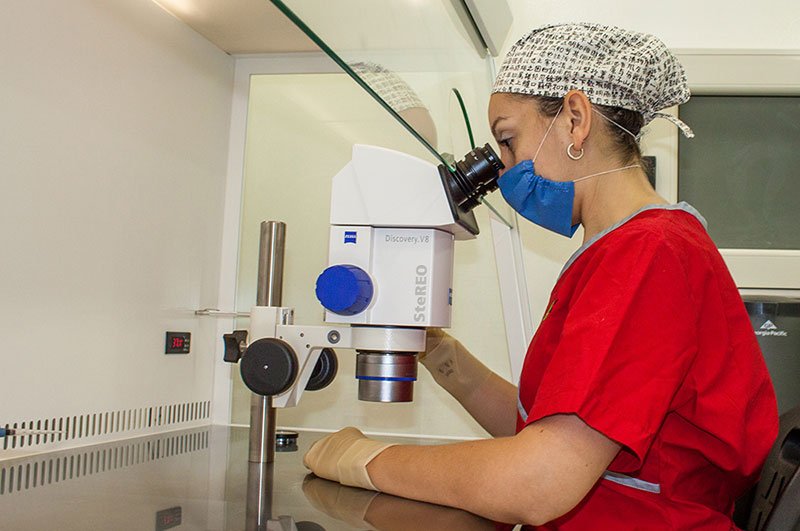
- Micro-TESE (Microsurgical Testicular Sperm Extraction) – Microscope-guided removal of testicular tissue.
The choice of technique is determined by the specialist physician in collaboration with the laboratory team, ensuring the most appropriate approach is selected to maximize the recovery of viable sperm cells.
Frequently Asked Questions About Reproductive Surgery In Mexico
LIV offers a range of reproductive surgical procedures including hysteroscopy, laparoscopy for endometriosis or fibroid removal, and surgical sperm retrieval. These surgeries are designed to support fertility goals and are coordinated for international patients in Mexico.
Your fertility specialist at LIV will evaluate your medical history, imaging results (such as ultrasound or HSG), ovarian reserve, and sperm analysis. If structural issues like uterine fibroids, endometriosis, blocked tubes or azoospermia are identified, surgical intervention may be recommended to improve your chances before or alongside IVF.
Yes. Reproductive surgeries at LIV’s Puerto Vallarta clinic are performed by experienced surgeons in accredited facilities, with bilingual patient support, internationally-standard protocols, and coordinated travel logistics to ensure safety and peace of mind for international patients.
Recovery time varies by procedure: minimally invasive surgeries like laparoscopy often require 2-3 days of recovery, whereas more complex surgeries may need longer monitoring. For international patients, LIV coordinates your stay in Puerto Vallarta including pre- and post-operative care to fit within a travel-friendly schedule of approximately one week.
Costs for fertility-related surgery in Mexico at LIV are significantly lower than in U.S. or Canadian clinics—often savings of 50-70%. Lower medication, facility and surgeon fees allow international patients to access high-quality reproductive surgery without the higher prices common in North America.
Success depends on the nature and extent of the underlying fertility issue (e.g., extent of endometriosis or tubal damage), timing of surgery relative to IVF, patient age and ovarian reserve, and post-operative healing. LIV’s multidisciplinary team plans your surgical and fertility treatment in tandem to optimize outcomes.
Start with a free virtual exploratory call to review your fertility history and imaging. If surgery is recommended, a medical consultation will create your individualized surgery and fertility plan.